Search form

  • Eclipse America
      1. When & Where to See It
      2. How & Why Eclipses Happen
      3. The Solar Eclipse Experience
      4. A Solar Eclipse Glossary
      5. Events & Activities
  • Eye Safety
      1. How to View a Solar Eclipse Safely
      2. Eyewear & Handheld Viewers
      3. Are My Solar Viewers Safe?
      4. Reputable Vendors of Solar Viewers
      5. Projection: Pinhole & Optical
      6. Solar Filters for Optics
  • Imaging & Video
      1. How to Shoot Solar-Eclipse Images & Videos
      2. Royalty-free Images & Videos
  • Resources
      1. Apps & Software
      2. Books & Articles
      3. Citizen Science Projects
      4. Downloads
      5. Educational Materials & Videos
      6. Images & Videos (Royalty-Free)
      7. Maps & Calculators
      8. Podcasts, Webcasts & Webinars
      9. Press Releases & Press Conferences
      10. Solar Filters & Viewers
      11. Telescopes & Binoculars
      12. Tours & Travel Opportunities
      13. Weather & Climate
      14. Websites
  • FAQ
  • Events & Activities
      1. Find an Event or Activity
      2. Submit Your Event or Activity
      3. Register for Event Evaluation
      4. Eclipse Tours, Festivals & Events
  • Grants Program
      1. Awardees & Projects
      2. Evaluation of Outcomes
  • Information for...
      1. Citizen Scientists
      2. Educators & Outreach Providers
      3. Government: State & Local Officials
      4. Health & Eye Care Professionals
      5. Media: Reporters, Editors & Producers
      6. People Looking for Accommodations
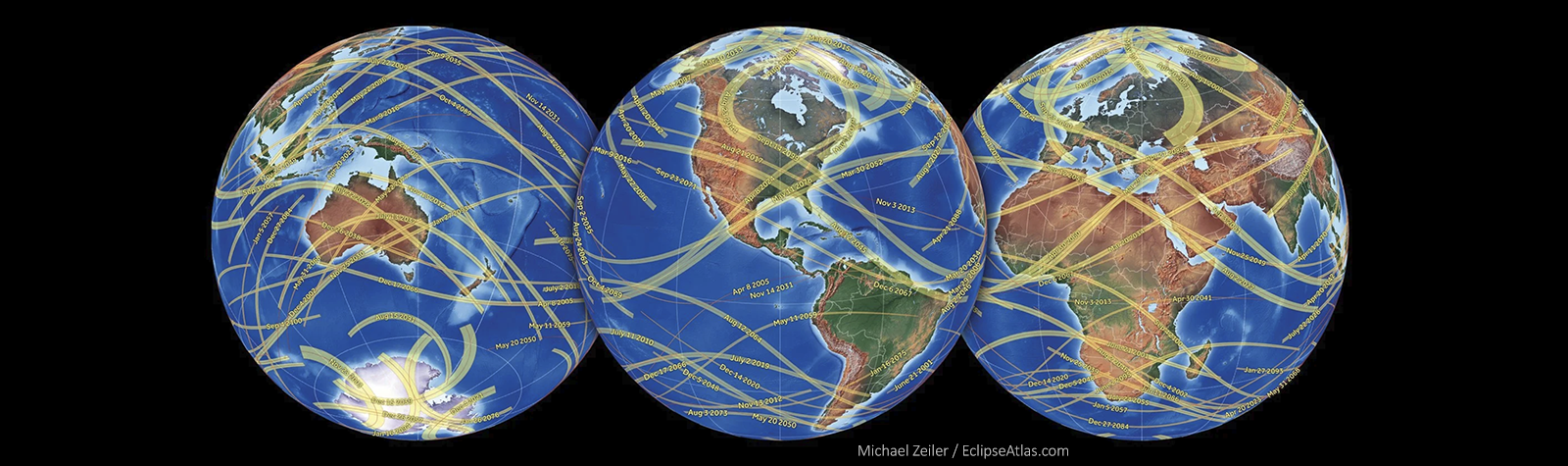
Map of 2017 Solar Eclipse Across America
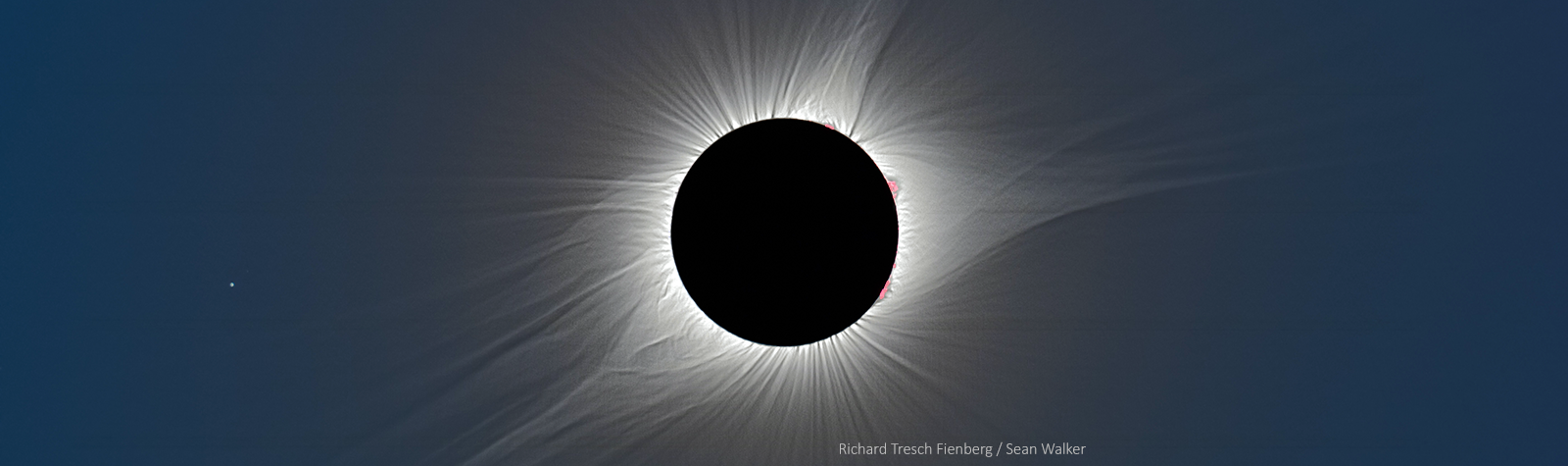
Composite of 2016 Solar Eclipse
Eclipse Watchers with Safe Solar Filters
Total Solar Eclipse 2010 from Easter Island
Solar Eclipse from Space
Previous Pause Next
14
Days to Solar Eclipse

On Monday, August 21, 2017, all of North America will have a solar eclipse. The Moon will cover at least part of the Sun for 2 to 3 hours. Halfway through, anyone within a narrow path from Oregon to South Carolina will experience a brief total eclipse. The Moon will completely block the Sun’s bright face for up to 2 minutes 40 seconds. Day will turn into night, and (weather permitting) one of nature’s most awesome sights will become visible: the Sun’s diaphanous outer atmosphere, or corona. This website is your guide to the event!

  • Eclipse America
  • Imaging & Video
  • Resources
  • FAQ
  • Events & Activities
Events & Activities
Are you hosting an eclipse-viewing party or other community event? Are you looking for an exhibit about the eclipse? Use our interactive map to submit or search for eclipse-related events and activities!
View our event map

About Us | Contact Us | Terms & Conditions | Copyright & Permissions | AAS Home | NSF Home

© 2017 American Astronomical Society